
Scene, Storage, Destination: Where a Wrecked Car Actually Travels
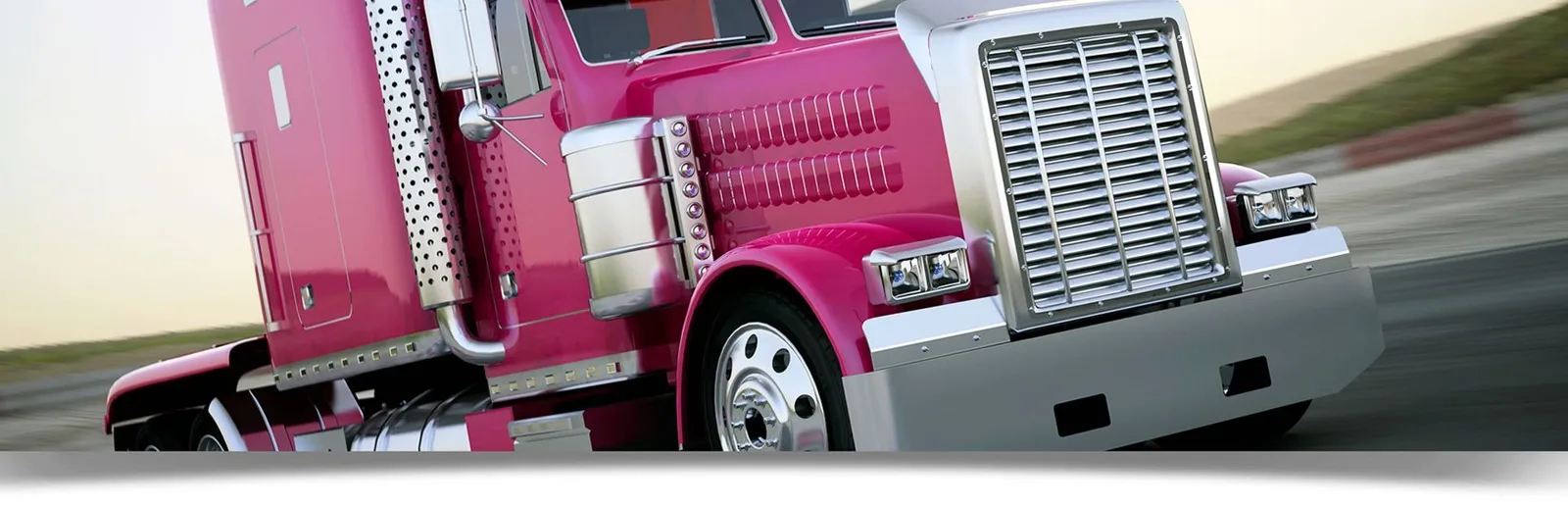
A damaged vehicle moves in three stages, and each one is a separate decision. First the scene, where the priority is clearing the road and where you have the least control. Then storage, which is a pause and not a destination. Then the place it goes to be repaired or sorted out, which is a choice that belongs to you. Knowing that the stages are separate is what keeps a car from sitting somewhere for three weeks by accident.
The minutes right after a collision are well covered by instinct. Check on people, call 911, exchange information. What almost nobody has thought about in advance is the hour after that, when the ambulance has gone and a wrecker is idling and somebody is asking a question you have no prepared answer for.
That question is where the car is going, and it gets asked at the worst possible moment. So here is the whole journey, laid out in advance, with the parts you control marked clearly.
Stage one: the scene belongs to whoever is working it
While officers or a fire crew are on scene, they run it. Our driver checks in, parks where he is directed, and does not touch your vehicle until the scene is released. That is not deference for its own sake, it is that moving a car early can complicate a report someone is still writing, and a wrecker parked badly turns a tight shoulder into a bottleneck.
Spend those minutes with your phone. Wide frames from several angles showing the full layout, including lane markings, signals, skid marks and the resting position of each vehicle. Then close work on every damaged area. Then the other driver’s plate and documents. Two people forget every time: the debris field, since where glass and plastic landed indicates the point of impact, and your own instrument cluster, which timestamps the mileage and records which warning lights came on.
The lane-clearing exception
When a vehicle is blocking travel lanes, leaking, or otherwise a hazard, law enforcement can order the road cleared immediately, and the rotation wrecker takes it. That is not somebody working an angle, it is a road that has to reopen. If it happens, your car goes to that operator’s yard and the rest of this article is about getting it back out efficiently.
Stage two: storage is a pause button
Standing on the edge of a road you drive daily is an unreasonable place to decide where your car should spend the next fortnight. So there is a legitimate middle step where it goes into a secured yard while you make phone calls, look at your options, and let the adrenaline drop.
Used that way, storage is useful. Used by default, it is expensive. A yard bills for time, and every day the car sits, the eventual second tow to wherever it was always going to end up is still waiting to happen. The vehicles that cost people the most are almost never the badly damaged ones, they are the ones nobody made a decision about.
Stage three: the destination, which is your call
Eventually the car goes somewhere with a roof and a lift, and there are really only three candidates.
A repair shop is the common answer, and the sooner it gets there the sooner anything can happen. If you already know which shop, say the name and address at the scene and the vehicle can go straight there without the storage step at all. People who have a shop in mind, whether from a previous repair or a neighbor’s recommendation, save themselves a week just by saying so out loud.
Your own driveway works when the damage is cosmetic, nothing is leaking, and you want time. It costs nothing and keeps every option open, with the caveat that a car with a broken window or a missing panel does not do well sitting outdoors through a Space Coast rainy season.
The third case is the one nobody says out loud at the scene: some vehicles are not going to be repaired. If that turns out to be the answer, knowing it early is a kindness, because it stops a month of paperwork about a car that was finished on day one.
Whoever you are dealing with about the claim may have a view about where the car should go, and a body shop will certainly have one. Those are opinions worth hearing. The decision is still yours, and a legitimate operator will write down the address you give him rather than steering you somewhere. If you need the vehicle moved out of a yard and over to a shop, that is ordinary accident and collision towing in Rockledge and it does not require the crash to have been ours.
Drivable and safe to drive are different questions
Between the scene and everything after it sits a decision people make far too casually: whether to simply drive the car home. It runs, it moves under its own power, and the damage looks cosmetic, so the temptation is obvious and the trip is short.
A short list of findings should end that idea regardless of how the first hundred yards feel. Any wheel sitting at a different angle than the one across from it. A hood whose latch no longer catches, because the thing it does at speed is open. Fluid arriving on the ground under the engine bay, whatever color it is. Bodywork low enough to touch the road. Deployed airbags, which means the protection you would want in a second impact has already been spent.
What links them is timing. Each one is a fault that surfaces later rather than immediately, so the car feels fine leaving the scene and stops being fine somewhere with traffic behind it. Being stationary where you already are, with hazards on and a truck coming, is a far better position than discovering the problem in a live lane.
Rockledge specifics: where these calls come from
The geography here shapes the pattern. US 1 runs the length of town with cross streets, turn lanes and plaza entrances stacked close together, which produces the intersection collisions and the turning-across-traffic ones. Those usually happen at moderate speed and often leave a car that can be pushed clear, which changes the urgency considerably.
The interstate produces fewer calls and harder ones. Higher speed, less room, and interchanges where the ramps are short enough that a stopped vehicle is a hazard before anybody has stopped shaking. Those get cleared quickly, which means they are the ones most likely to reach a yard before anyone has thought about a destination.
Whatever produced it, the sequence at your end is the same. Get people safe, call 911, photograph everything before it moves, take your belongings, then decide where the car goes. Reach a dispatcher at (321) 728-1869 and you will be asked those questions in that order. Anything larger than a pickup involved, a box truck, a work vehicle, a trailer, moves on heavy-duty towing in Rockledge off the same dispatch board. If you are past the scene and sorting out paperwork the next morning, talk to dispatch and we will help you work out where the car ended up and how to get it moved.
Questions people ask the day after
Do I get to pick the tow company after a crash?
Usually yes. If you have a company in mind, say the name to the responding officer and they will call it. The exception is a vehicle blocking traffic or creating a hazard, where the scene has to be cleared immediately and the rotation wrecker takes it. You retrieve the car from that operator afterward.
My car is in a yard and I do not know what to do next.
Decide on a destination first, then arrange the move. Yards bill by the day, so the decision is worth making this week rather than next. Call us with the yard’s name and where you want the vehicle delivered and we will handle the pull and the transport.
Can you tell me whether my car is worth fixing?
No, and be wary of anyone at a roadside who offers an opinion on that. Our driver can tell you what he sees structurally and whether it is safe to move, which is a different question. The repair decision belongs to you and the people actually assessing the vehicle.
The other driver’s insurer wants my car sent somewhere specific. Do I have to?
They may have a preference and they are entitled to express it. Where your vehicle goes is still your decision, and you are allowed to name a shop of your own choosing. Whoever tows it should write down the address you give and hand you a receipt showing it.
Need a car moved after a collision?
Tell us where it sits and where it should end up. We will get it there and hand you clean paperwork showing the destination.
More posts · Rockledge services · Send the details to dispatch