
Planning a One-Deck Car Move Between Orlando and Brevard
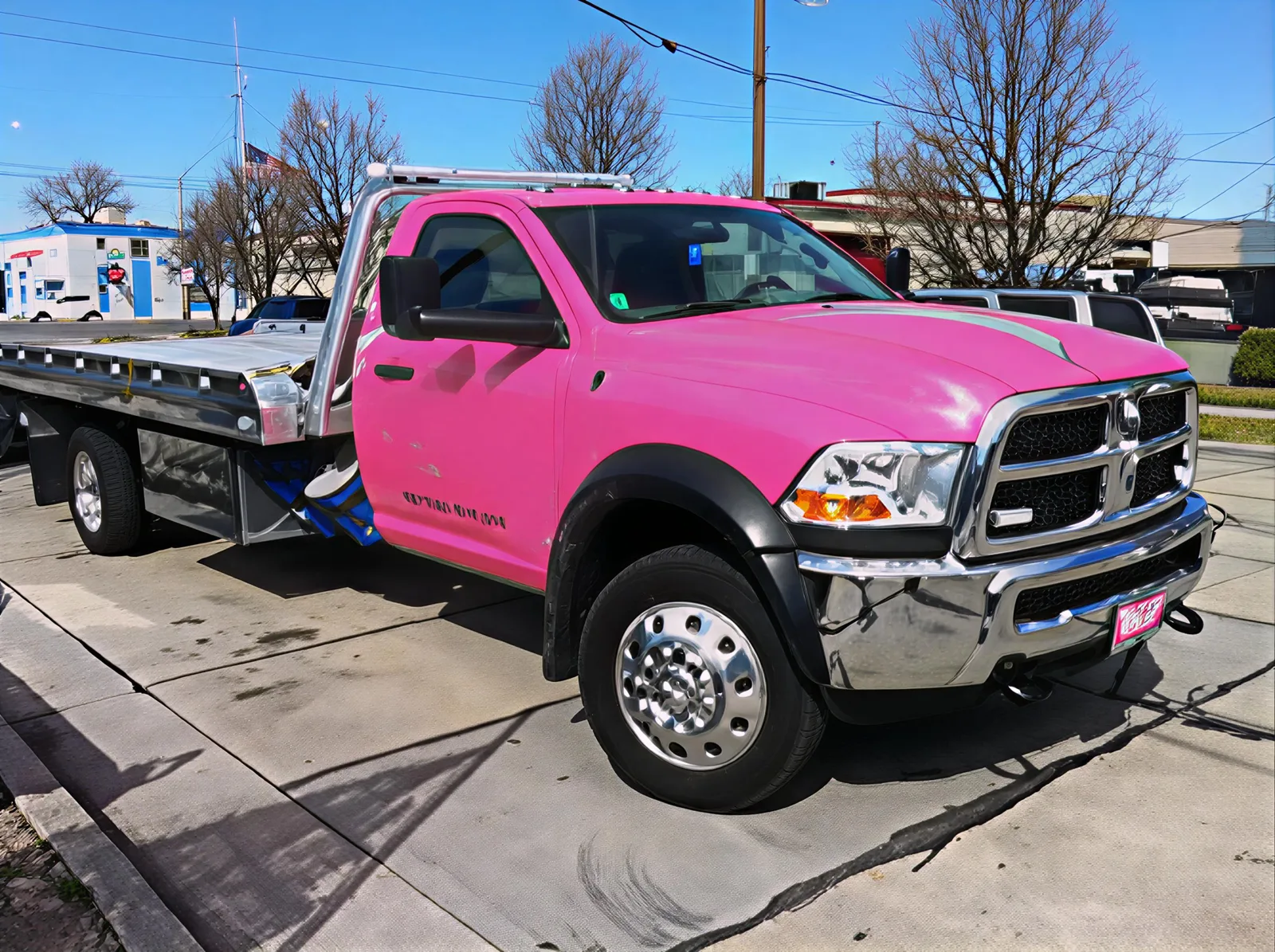
A car moving between Orlando and Brevard rides on one flatbed deck from the pickup address to the drop, with no transfer in between. It is booked work with a real window, so the planning carries the job: a person at each end or a written handoff, keys and gate codes sorted, personal items out of the car, and photos taken at both ends.
People move cars between Orlando and the coast for all sorts of reasons. A new job in Brevard. A car bought from a dealer in Orange County. A vehicle headed to a shop somebody trusts, or a college kid’s car finally coming home. Whatever started it, the move has two ends and a road in between.
The road is the easy part. Nearly all the work is lining up those two ends so the car arrives somewhere ready to receive it.
One deck, pickup to drop
A one-deck move means the car goes onto our flatbed at the pickup address and does not come off until the drop. It does not stop at a terminal, wait overnight at a yard, or swap onto a second truck partway. Fewer handoffs leave fewer chances for a scratch, a lost key or a confused delivery.
The routes are the familiar ones: I-4 out of Orlando, the 408, 417 or 429 depending on where the car starts, and I-95 down the Brevard side. The same deck carries it the entire way, and the operator who strapped it down is the one who releases it at the other end.
Longer moves across Florida follow the same pattern. One deck, two ends, and a window agreed before anything leaves the curb. A car going from an Orlando driveway to the far side of the state is planned exactly the way a short hop to the coast is.
A flatbed also takes the drivetrain out of the question. All four wheels sit on the deck, so an all-wheel-drive car, an electric car or a vehicle with a transmission you would rather not spin travels without turning a single gear for 70-odd miles. That matters more over a long run than across town, and it is one reason the deck is the default for these moves.
Why this is booked work
The drive from our Palm Bay yard to Orlando runs roughly 71 miles. We put that number up front because a car move between the two is planned, scheduled work, and an honest figure helps you plan. Dispatch gives you a pickup window and a sense of when the car lands at the other end, and those are times you can arrange people around.
This service is built for planned moves. If your car has died in a live lane on I-4, step away from the traffic, call 911 if anyone is hurt or exposed, and take whichever truck reaches you first. Once the car is parked somewhere safe, moving it home on our deck is exactly the kind of job we schedule.
Booking early gives you more choices. A move tied to a closing date, a lease start or a new job is worth calling about as soon as that date is firm.
People and keys at both ends
Every move needs somebody at the pickup and somebody at the drop, or a handoff that is written down. If you cannot be at one end, name the person who will be and give dispatch their number. A dealer, a shop service desk or a neighbor with a spare key all work, as long as everyone involved knows the plan.
Gate codes and parking rules
Gated communities, apartment lots and storage yards need codes or a call box, and some keep set hours for deliveries. Collect the codes for both addresses before you book, and add any instructions about where the car should be parked. A car left in the wrong spot of an apartment lot can earn a ticket, or a tow of its own.
Decide where the keys travel. They can ride with the operator, wait in a lockbox at the destination, or go with you. Pick one and tell dispatch.
Getting the car ready to travel
Clear personal items out before pickup. Sunglasses, garage door openers, toll transponders, paperwork in the glove box: anything you would hate to lose belongs with you. The car is secured on the deck, but nobody should send valuables on a trip they are not riding along with.
Leave a modest amount of fuel or charge. The car needs enough to drive on and off the deck and to be repositioned at the destination, and a full tank only adds weight. If it is electric, check whether it needs a transport mode switched on, and mention it when you book.
Note any warning lights, leaks or mechanical problems as well. A car with a slipping transmission or a soft brake pedal loads differently from a healthy one, and the operator plans around what you tell dispatch. Low front lips, roof racks and aftermarket wheels are worth a mention too, since each one changes how the car climbs or where the straps go.
Photos at both ends, and where the car lands
Before loading, the operator photographs the car from every side. At the drop, the same set gets taken again. You are welcome to take your own at both ends, and if you will not be there, ask the person receiving the car to do it for you.
Destinations vary. A car might go to a repair shop, a dealer lot, a buyer’s driveway, a storage yard or a new home. Each has its quirks, from a service desk that closes early to a buyer who wants to look the car over before signing anything. Tell dispatch about them while the booking is being made.
Our long-distance towing page for Orlando covers the details. When both ends are lined up, call (321) 728-1869 or reach dispatch in writing with both addresses and the names of the people involved.
Questions about moving a car across the region
How far ahead should I book the move?
As soon as both ends are settled. The window depends on the day and on what else dispatch already has on the schedule, so an early call leaves you more options. If the move is tied to a closing, a lease or a first day at work, call the moment that date is fixed and build the rest around it.
What if nobody can be at the drop?
Set up a documented handoff instead. That might be a shop service desk that agrees in advance to accept the car, a lockbox for the keys, or written directions on exactly where to park it. Spell it out for dispatch when you book, so the operator is never guessing at the curb with your car on the deck.
Can the car stay on the deck if the drop is delayed?
Tell dispatch as early as you can. A short delay at the destination can often be worked around within the window. If the receiving end falls through entirely, talk through the choices on the phone, including holding the car somewhere secure, before the operator arrives at the drop address.
Car headed between Orlando and the coast?
Line up both ends, then give dispatch the addresses, the names and the window you need. One deck carries it the whole way.